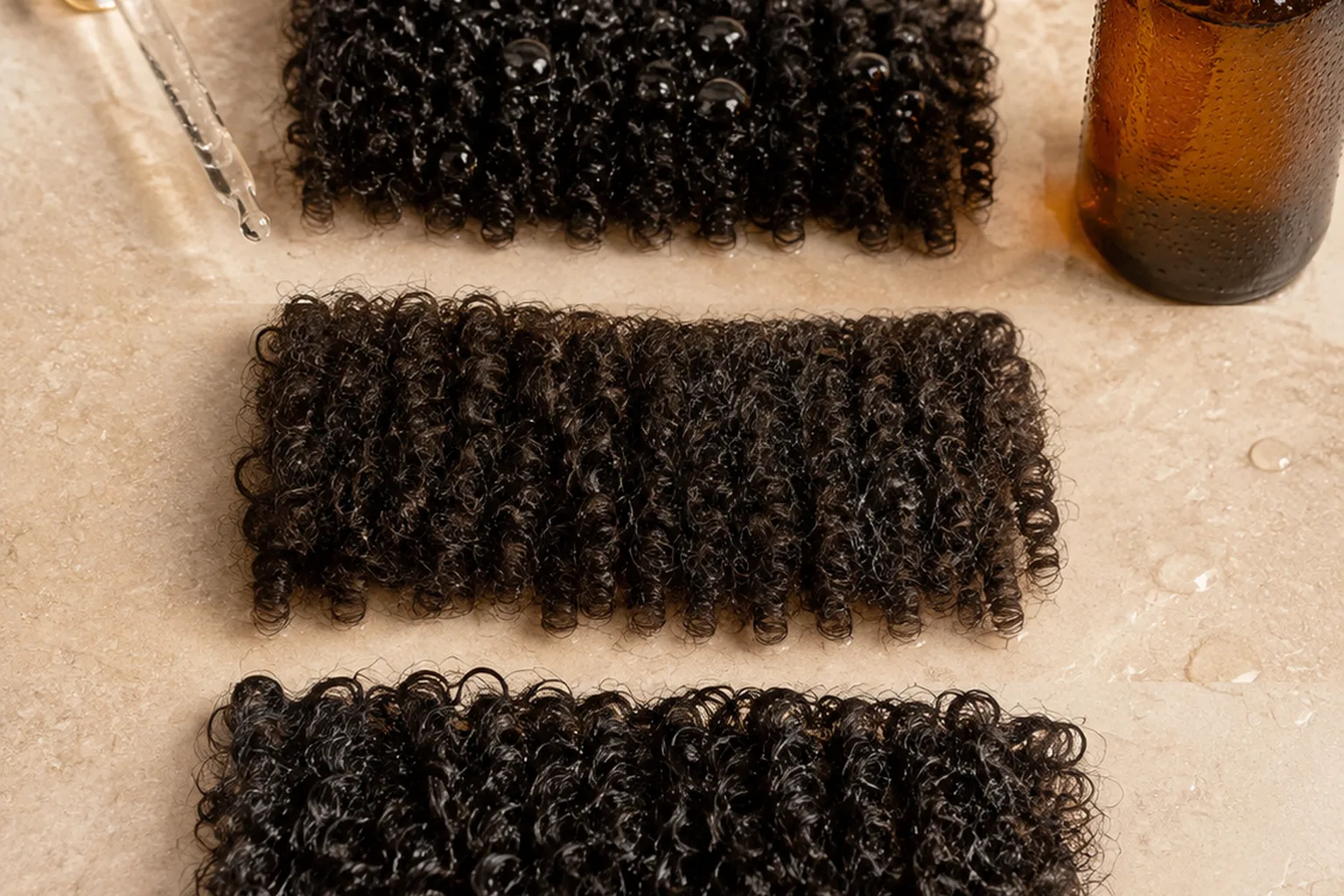
Deep Conditioning Textured Hair: What Actually Matters
Learn how to choose and use a deep conditioner for textured hair based on moisture, damage, ingredients, consistency, and routine.
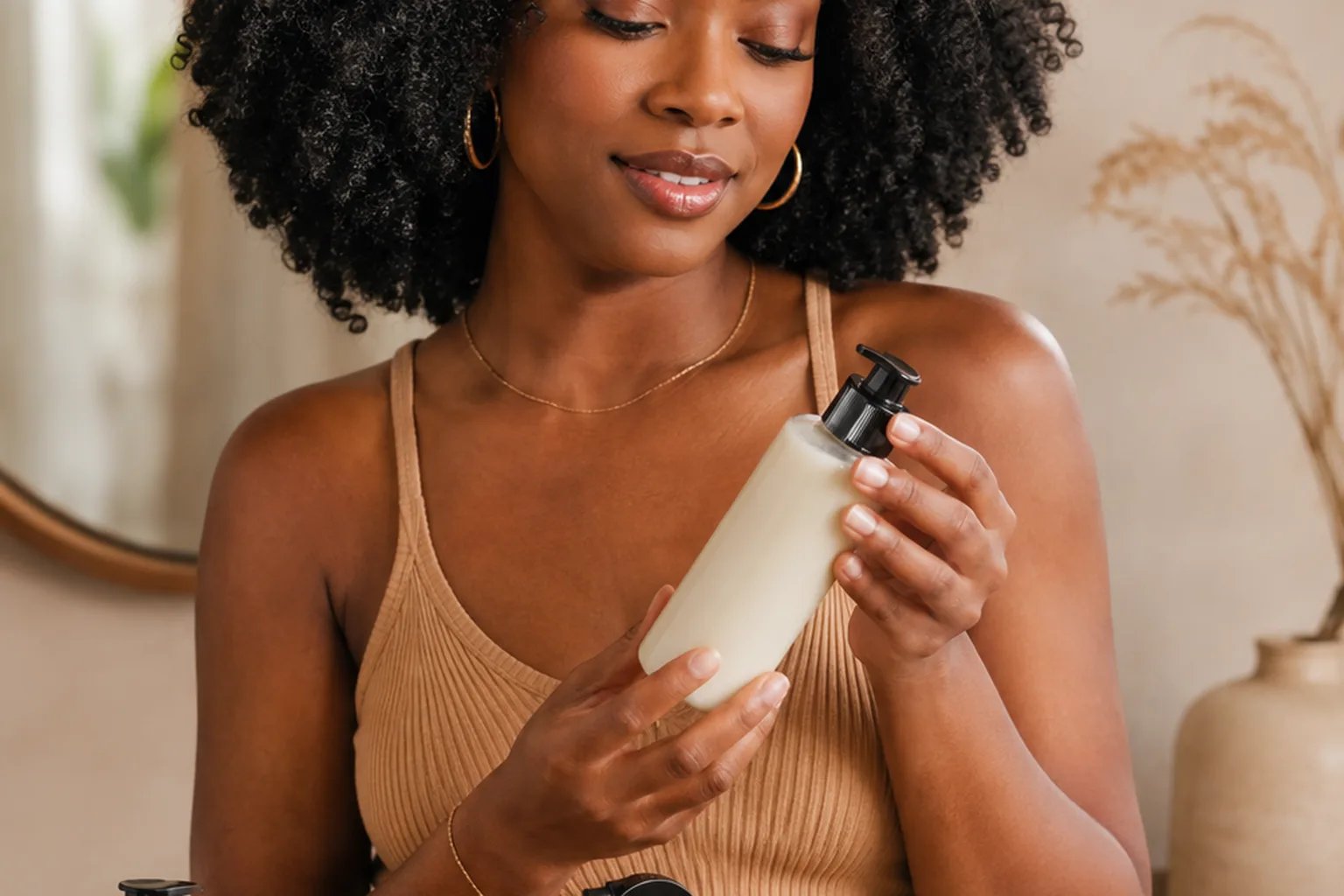
Deep conditioning is one of the most talked-about steps in textured hair care.
But using the most expensive mask on the shelf will not automatically improve your routine.
What matters is choosing a treatment that matches what your hair currently needs.
Moisture vs. Strength
Some deep conditioners focus primarily on softness and moisture.
Others contain proteins or strengthening ingredients intended to support hair that has been affected by heat, chemical processing, coloring, or other stress.
Using strong protein treatments too frequently is not automatically better.
Balance matters.
Apply to Clean Hair
Heavy buildup can interfere with how products interact with the hair.
Starting with properly cleansed hair generally gives your conditioning treatment a cleaner foundation.
Work in Sections
Textured hair can be dense.
Dividing the hair into sections allows you to distribute conditioner more consistently from roots or mid-lengths through the ends, depending on your routine.
Follow Product Directions
Leaving a conditioner on for hours does not necessarily make it more effective.
Follow the manufacturer’s recommended timing.
If the product recommends heat, use heat safely and appropriately.
Pay Attention to the Ends
The ends are the oldest portion of your hair and often require additional care.
Make sure they receive adequate product during conditioning and detangling.
Deep conditioning should complement a healthy routine rather than compensate for excessive heat, rough detangling, or constant tension.
Consistency usually matters more than chasing a new treatment every week.
Shopping for this in Kansas City?
Our team can walk you through the options in person and help you pick what actually fits your hair, your routine, and your budget.