

Best Moisturizers
for Protective Styles
Best Moisturizers
for Protective Styles
Braids, twists, and locs still need moisture. Here’s how to keep the hair
underneath healthy, from the day it’s installed to the day it comes down.
Braids, twists, and locs still need moisture. Here’s how
to keep the hair underneath healthy, from the day it’s installed to the day it comes down.
By the Beauty Icon KC Team
June 2026
6 min read
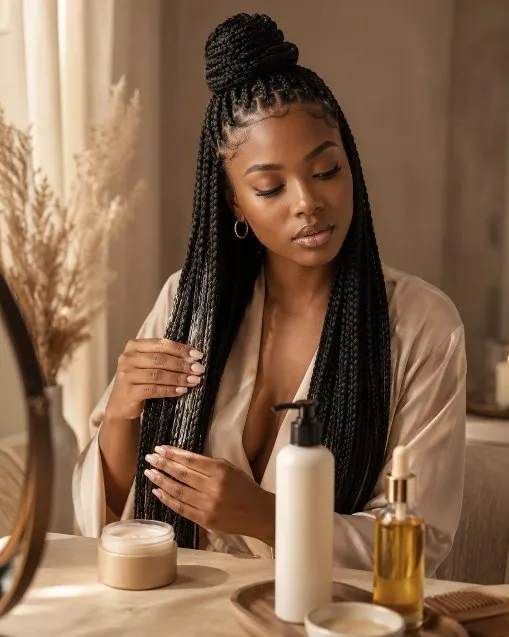
A
protective style should protect. But tucking your hair away in
braids, twists, or locs doesn’t pause its needs, and dryness is the
fastest way to turn a style meant to preserve length into one that
causes breakage. The good news: a little moisture, done consistently,
keeps the hair underneath soft, strong, and ready for takedown day.
Why protective styles still need moisture
When your natural hair is braided or twisted up, it’s no longer getting the daily attention it usually
would. Natural oils from your scalp travel down the strand more slowly on coily and curly textures, and
a style can go one, two, even six weeks without a proper refresh. Left alone, strands lose water,
become brittle, and snap, often right at the roots where new growth is most fragile.
Moisturizing during a protective style isn’t about soaking the hair. It’s about replacing the water that
naturally evaporates and then sealing it in so it lasts.
What to look for in a moisturizer
Good moisture happens in a specific order, and the ingredient list tells you what a product is really for.
Three categories matter most.
Water comes first
Water is the only true moisturizer, everything else helps hold it in. Look for a leave-in or refresher
where water (aqua) is at or near the top of the ingredient list. A simple water-based spray is often all
you need between wash days.
Humectants pull moisture in
Ingredients like glycerin, honey, and aloe vera draw water toward the hair and help it stay hydrated
longer. They’re workhorses in most quality leave-ins, though in very dry or very humid weather you may
want to adjust how much you use.
Oils and butters seal it in
Once the hair is damp, a light oil or butter locks that water in. Jojoba and argan oils are lightweight
and won’t weigh braids down; shea butter and castor oil are heavier and better for thicker styles or
your edges and ends.
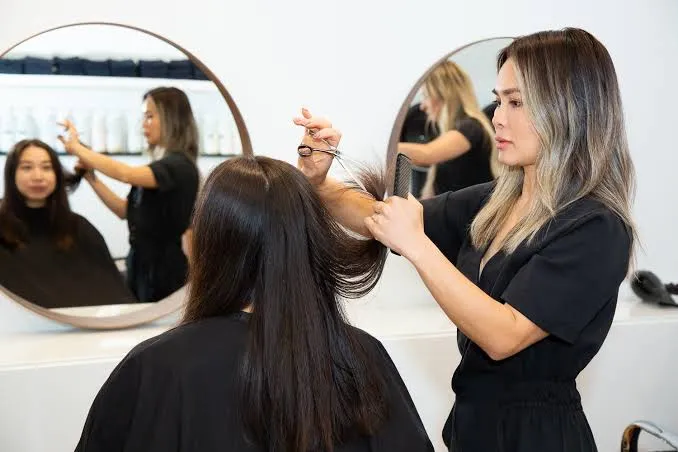
Build your routine around three roles: hydrate, seal, refresh.
A simple protective-style moisture routine
You don’t need ten products. This is the classic LOC method, liquid, oil, cream, and it works for most
textures:

Liquid. Lightly mist the hair and scalp with water or a water-based leave-in spray until damp, not
soaked.
Oil. Follow with a few drops of a light oil to seal that water into the strand.
Cream. On your ends and edges, add a small amount of a richer cream or butter for lasting hold.
Repeat every three to five days, or whenever the hair starts to feel dry. If your hair is fine or your style
is small, try the LCO order instead (cream before oil) so it doesn’t feel greasy.
Match the product to your style
Box braids & twists: a light water-based spray plus a lightweight oil, so the braids stay soft without
buildup.
Cornrows & feed-ins: a nozzle-tip scalp oil or braid spray that reaches the scalp between the rows.
Locs: a lightweight moisturizing spray, heavy butters can cause buildup and residue inside the loc.
Wigs & sew-ins over braided hair: a fine-mist leave-in you can apply to the braids underneath on wash day.
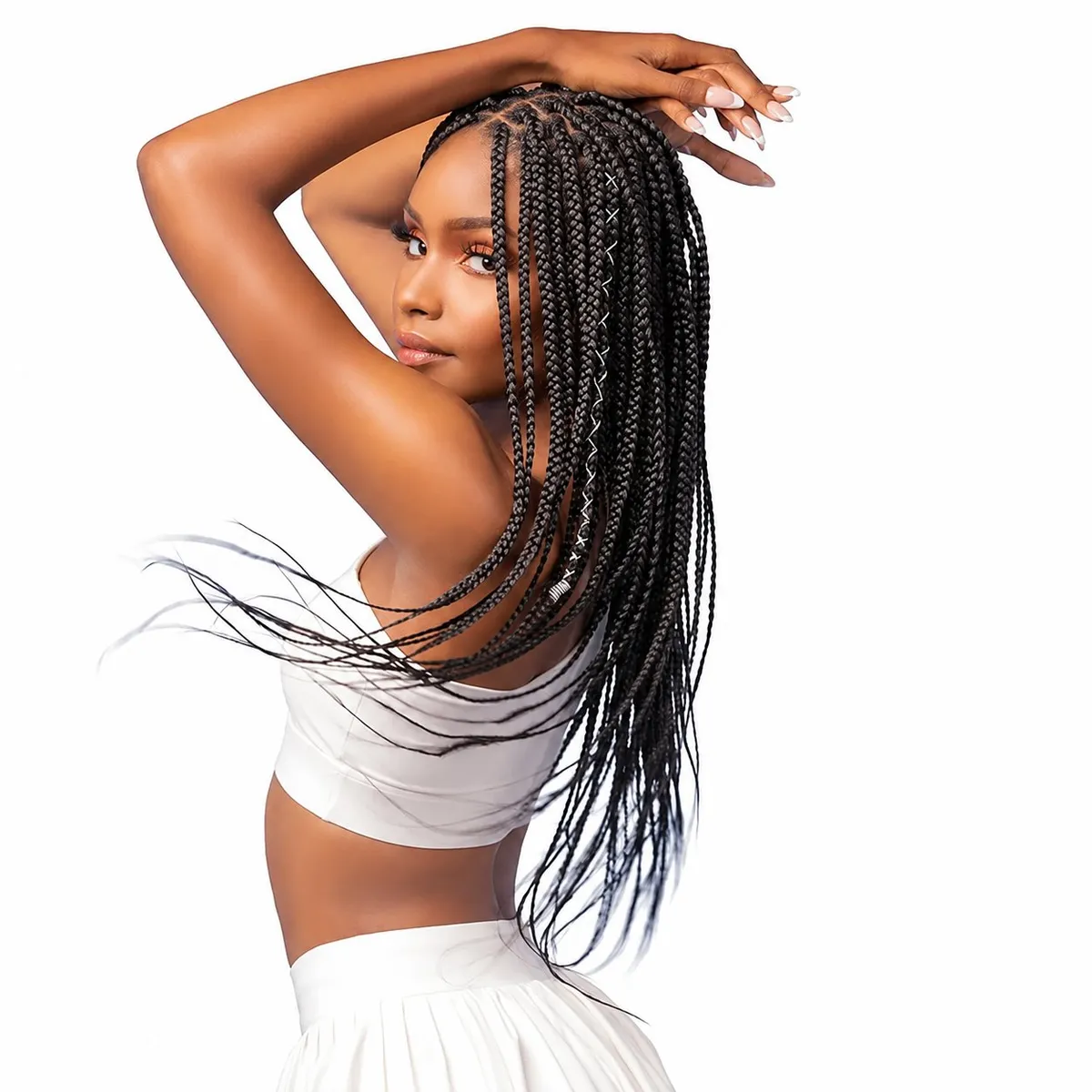
The healthier your hair going in, the better it looks coming out.
Common mistakes to avoid
01
Skipping the scalp. A dry, flaky scalp undermines even the best style, keep it clean and lightly
oiled.
02
Using heavy butters on everything. They build up on braids and locs. Save the rich creams for ends and edges.
03
Leaving a style in too long. Even a well-maintained style has a limit; matting and tension damage start when you push past it.
04
Neglecting your edges. They’re the most fragile part of your hairline, moisturize gently and never braid them too tight.
Protective styling protects the hair you already have, moisture is what
makes sure it’s still there at takedown.
In Short
Key takeaways

Braided and twisted hair still loses moisture, hydrate it every three to five days.
Water first, then seal with a light oil; save rich butters for ends and edges.
Match the product weight to the style, lighter for locs and small braids.
Don’t skip the scalp, and don’t leave a style in longer than it should be.
Not sure which products fit your hair?
Bring your style into the store and our team will help you match a
moisture routine to your texture and lifestyle, no guesswork.
A
protective style should protect. But tucking your hair away in braids, twists, or locs doesn’t pause its needs, and dryness is the fastest way to turn a style meant to preserve length into one that
causes breakage. The good news: a little moisture, done consistently, keeps the hair underneath soft, strong, and ready for takedown day.
Why protective styles still need moisture
When your natural hair is braided or twisted up, it’s no longer getting the daily attention it usually
would. Natural oils from your scalp travel down the strand more slowly on coily and curly textures, and
a style can go one, two, even six weeks without a proper refresh. Left alone, strands lose water,
become brittle, and snap, often right at the roots where new growth is most fragile.
Moisturizing during a protective style isn’t about soaking the hair. It’s about replacing the water that
naturally evaporates and then sealing it in so it lasts.
What to look for in a moisturizer
Good moisture happens in a specific order, and the ingredient list tells you what a product is really for. Three categories matter most.
Water comes first
Water is the only true moisturizer, everything else helps hold it in. Look for a leave-in or refresher
where water (aqua) is at or near the top of the ingredient list. A simple water-based spray is often all
you need between wash days.
Humectants pull moisture in
Ingredients like glycerin, honey, and aloe vera draw water toward the hair and help it stay hydrated
longer. They’re workhorses in most quality leave-ins, though in very dry or very humid weather you may
want to adjust how much you use.
Oils and butters seal it in
Once the hair is damp, a light oil or butter locks that water in. Jojoba and argan oils are lightweight
and won’t weigh braids down; shea butter and castor oil are heavier and better for thicker styles or
your edges and ends.
Build your routine around three roles: hydrate, seal, refresh.
A simple protective-style moisture routine
You don’t need ten products. This is the classic LOC method, liquid, oil, cream, and it works for most
textures:
Liquid. Lightly mist the hair and scalp with water or a water-based leave-in spray until damp, not
soaked.
Oil. Follow with a few drops of a light oil to seal that water into the strand.
Cream. On your ends and edges, add a small amount of a richer cream or butter for lasting hold.
Repeat every three to five days, or whenever the hair starts to feel dry. If your hair is fine or your style
is small, try the LCO order instead (cream before oil) so it doesn’t feel greasy.
Match the product to your style
Box braids & twists: a light water-based spray plus a lightweight oil, so the braids stay soft without
buildup.
Cornrows & feed-ins: a nozzle-tip scalp oil or braid spray that reaches the scalp between the rows.
Locs: a lightweight moisturizing spray, heavy butters can cause buildup and residue inside the loc.
Wigs & sew-ins over braided hair: a fine-mist leave-in you can apply to the braids underneath on wash day.
The healthier your hair going in, the better it looks coming out.
Common mistakes to avoid
01
Skipping the scalp. A dry, flaky scalp undermines even the best style, keep it clean and lightly
oiled.
02
Using heavy butters on everything. They build up on braids and locs. Save the rich creams for ends and edges.
03
Leaving a style in too long. Even a well-maintained style has a limit; matting and tension damage start when you push past it.
04
Neglecting your edges. They’re the most fragile part of your hairline, moisturize gently and never braid them too tight.
Protective styling protects the hair you already have, moisture is what
makes sure it’s still there at takedown.
In Short
Key takeaways
Braided and twisted hair still loses moisture, hydrate it every three to five days.
Water first, then seal with a light oil; save rich butters for ends and edges.
Match the product weight to the style, lighter for locs and small braids.
Don’t skip the scalp, and don’t leave a style in longer than it should be.
Not sure which products fit your hair?
Bring your style into the store and our team will help you match a
moisture routine to your texture and lifestyle, no guesswork.
A
protective style should protect. But tucking your hair away in
braids, twists, or locs doesn’t pause its needs, and dryness is the
fastest way to turn a style meant to preserve length into one that
causes breakage. The good news: a little moisture, done consistently,
keeps the hair underneath soft, strong, and ready for takedown day.
Why protective styles still need moisture
When your natural hair is braided or twisted up, it’s no longer getting the daily attention it usually
would. Natural oils from your scalp travel down the strand more slowly on coily and curly textures, and
a style can go one, two, even six weeks without a proper refresh. Left alone, strands lose water,
become brittle, and snap, often right at the roots where new growth is most fragile.
Moisturizing during a protective style isn’t about soaking the hair. It’s about replacing the water that
naturally evaporates and then sealing it in so it lasts.
What to look for in a moisturizer
Good moisture happens in a specific order, and the ingredient list tells you what a product is really for.
Three categories matter most.
Water comes first
Water is the only true moisturizer, everything else helps hold it in. Look for a leave-in or refresher
where water (aqua) is at or near the top of the ingredient list. A simple water-based spray is often all
you need between wash days.
Humectants pull moisture in
Ingredients like glycerin, honey, and aloe vera draw water toward the hair and help it stay hydrated
longer. They’re workhorses in most quality leave-ins, though in very dry or very humid weather you may
want to adjust how much you use.
Oils and butters seal it in
Once the hair is damp, a light oil or butter locks that water in. Jojoba and argan oils are lightweight
and won’t weigh braids down; shea butter and castor oil are heavier and better for thicker styles or
your edges and ends.
Build your routine around three roles: hydrate, seal, refresh.
A simple protective-style moisture routine
You don’t need ten products. This is the classic LOC method, liquid, oil, cream, and it works for most
textures:
Liquid. Lightly mist the hair and scalp with water or a water-based leave-in spray until damp, not
soaked.
Oil. Follow with a few drops of a light oil to seal that water into the strand.
Cream. On your ends and edges, add a small amount of a richer cream or butter for lasting hold.
Repeat every three to five days, or whenever the hair starts to feel dry. If your hair is fine or your style
is small, try the LCO order instead (cream before oil) so it doesn’t feel greasy.
Match the product to your style
Box braids & twists: a light water-based spray plus a lightweight oil, so the braids stay soft without
buildup.
Cornrows & feed-ins: a nozzle-tip scalp oil or braid spray that reaches the scalp between the rows.
Locs: a lightweight moisturizing spray, heavy butters can cause buildup and residue inside the loc.
Wigs & sew-ins over braided hair: a fine-mist leave-in you can apply to the braids underneath on wash day.
The healthier your hair going in, the better it looks coming out.
Common mistakes to avoid
01
Skipping the scalp. A dry, flaky scalp undermines even the best style, keep it clean and lightly
oiled.
02
Using heavy butters on everything. They build up on braids and locs. Save the rich creams for ends and edges.
03
Leaving a style in too long. Even a well-maintained style has a limit; matting and tension damage start when you push past it.
04
Neglecting your edges. They’re the most fragile part of your hairline, moisturize gently and never braid them too tight.
Protective styling protects the hair you already have, moisture is what
makes sure it’s still there at takedown.
In Short
Key takeaways
Braided and twisted hair still loses moisture, hydrate it every three to five days.
Water first, then seal with a light oil; save rich butters for ends and edges.
Match the product weight to the style, lighter for locs and small braids.
Don’t skip the scalp, and don’t leave a style in longer than it should be.
Not sure which products fit your hair?
Bring your style into the store and our team will help you match a
moisture routine to your texture and lifestyle, no guesswork.
Keep Reading
More from the Journal
Braids & Extensions
Pre-stretched vs. regular braiding hair
Keep Reading
More from the Journal
Braids & Extensions
Pre-stretched vs. regular braiding hair
Beauty Icon KC
✦ Kansas City · Est. A Beauty Destination
Kansas City’s destination for trusted beauty products, expert guidance, and community-centered service.


